


Modern conventions and trade shows draw millions of visitors yearly. Handling such numbers needs advanced solutions, not just paper forms.
Now, event technology uses digital systems for data collection. This method cuts down on mistakes and makes gathering info smoother.
These tools are a big change in attendee data management. They change how organisers deal with info at big events.
The move from business cards to digital platforms is a big step forward. Digital lead capture systems make sure data is accurate and efficient.
Defining What Is Lead Capture Technology for Events
Lead capture technology is a smart way to get prospect info at events like conferences and trade shows. It’s not just about collecting names and emails. It’s about doing it fast and right, even when lots of people are around.
It’s different from lead retrieval systems, which only get data from people who signed up before the event. Lead capture tech is for getting new info from people who meet your team at the event.
Core Components and Functionality
Today’s lead capture tools have many parts that work well together. They start with mobile apps for staff to use on phones or tablets.
Badge scanning is key. It uses QR codes or NFC to grab attendee info right away. This means less chance of mistakes.
Related Posts:
- How Technology Affects Privacy Data Security in the…

- How Technology Impacts Us The Broad Effects on Daily Life

- How Technology Is Used in Everyday Life From Smart…

- How to Make Money in Information Technology Careers…

- How Advanced Is China in Technology A Look at Its…

- What Is a Technology Professional Roles Skills and…

They also have digital forms for more than just basic info. You can ask specific questions about your products or services.
The best part is the CRM integration. It sends new leads straight to your CRM system. This means sales teams can act fast.
Some tools also let you scan business cards. But this is less common now, as most people prefer digital ways.
Evolution from Traditional to Digital Methods
Going from old ways to digital has made event marketing better. Before, teams used paper forms and business cards in fishbowls.
Old methods had big problems:
- Hard to read handwriting led to mistakes
- Physical stuff could get lost
- Entering data took a lot of time
- It took too long to follow up
The shift to digital started with simple scanners. Now, we have full software like Cvent and iCapture. They work in the cloud and process info fast.
This change has helped marketers a lot. Digital tools check email formats and phone numbers. They also stop duplicate entries. This means sales teams can act quickly, even when the event is happening.
These tools also give insights. They show when people are most engaged and who’s doing well. This helps improve event marketing and lead generation.
How Lead Capture Technology Streamlines Attendee Data Management
Event lead capture technology makes managing data easy and smooth. It gets rid of the old problems of manual data collection. Now, data flows smoothly from when people interact with it to useful business insights.
Automated Data Collection and Validation
Today’s systems use scanners and digital forms to grab data right from the source. This makes data accuracy much better by cutting down on mistakes from writing or scanning business cards.
Companies using these tools see their data collection get 50% better. The tech checks data as it comes in, making sure it’s complete and correct.
- Elimination of manual data entry tasks
- Reduced administrative overhead
- Standardised information formatting
- Immediate error detection and correction
Real-time Data Processing and Integration
The real strength of these systems is how they process data. They send data straight to central databases as soon as it’s captured. This means real-time analytics and quick action by marketing teams.
Systems like fielddrive keep working, even without the internet. They sync up data as soon as they get back online. This makes sure no lead info is lost because of tech issues.
This quick processing allows for:
- Live dashboard updates for organisers and exhibitors
- Same-day follow-up communications
- Dynamic lead scoring and qualification
- Seamless CRM integration without manual imports
The mix of automated data entry and fast processing makes a perfect system. It moves data from capture to use without any hold-ups. This efficiency changes how companies use leads from events in their marketing.
Key Benefits for Event Organisers and Marketers
Using lead capture technology changes how event teams handle attendee details. It brings clear benefits that help with day-to-day tasks and long-term marketing goals.
Enhanced Data Accuracy and Reduced Errors
Manual data entry is prone to mistakes. Names misspelled, wrong email addresses, and missing info are common.
Digital lead capture fixes these problems by checking data as it’s entered. It ensures only correct info goes into your system. This error reduction makes your databases better for future marketing.
With better data, you can talk to attendees more effectively. You avoid sending emails that bounce back, saving time and keeping relationships strong.
Time Efficiency and Operational Cost Savings
Automated systems make staff work more efficient. They can focus on talking to attendees instead of typing names and emails.
This change boosts operational efficiency across your team. The tech handles the boring tasks, freeing staff for more important work.
The cost savings are big, too. Here are some ways you can cut costs:
| Area | Traditional Method | With Lead Capture Technology | Savings Percentage |
|---|---|---|---|
| Data Entry Labour | 40 staff hours | 5 staff hours | 87.5% |
| Follow-up Efficiency | 3-day processing | Immediate processing | 100% time reduction |
| Error Correction | 15% data issues | 2% data issues | 86.7% improvement |
| Printing Costs | £500 per event | £50 per event | 90% reduction |
Having data right away means you can talk to people sooner. This makes your event more successful and keeps attendees happy.
The tech works well for any event size. It keeps performing well, no matter how big or small your event is.
These benefits add up to better event ROI. You can show the value of your tech investment. For more on this, check out our look at lead capture apps and their benefits.
Attendees like the modern experience, too. It makes your event feel more up-to-date and respectful of their time.
Essential Features of Modern Lead Capture Systems
Modern lead capture technology has changed a lot. It now offers advanced features that make it easier to collect and manage attendee info. These systems do more than just collect data. They work well with what you already do.
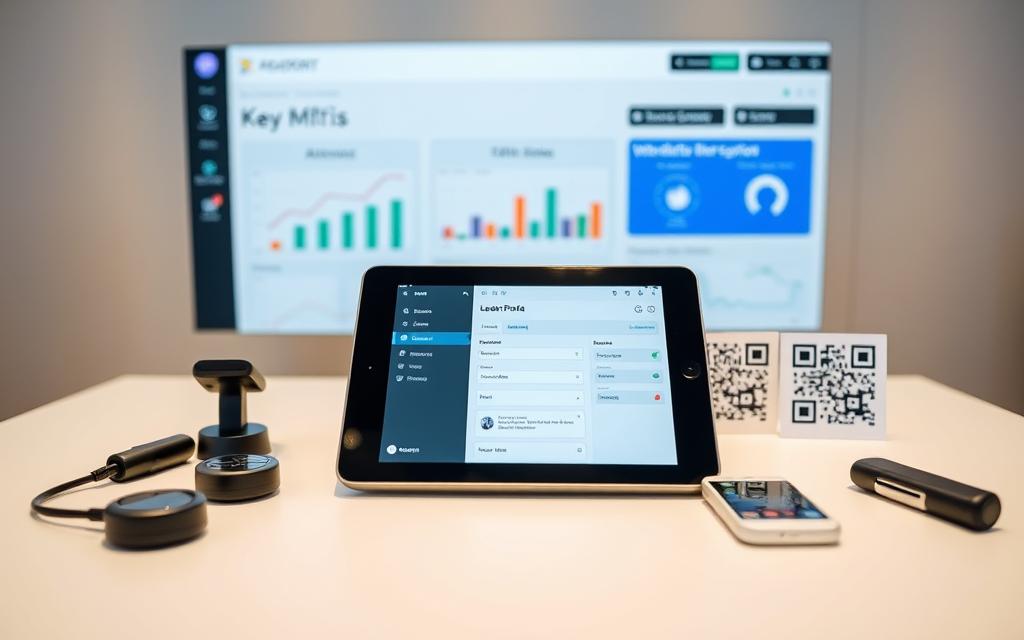
The best platforms have easy-to-use interfaces and strong backend tools. They help teams get accurate data quickly, even when things get busy.
Mobile Integration and QR Code Capabilities
Today’s systems focus on mobile lead capture with special apps. These apps let staff use their phones or tablets, so no extra hardware is needed.
QR code scanning is a key feature now. It lets staff quickly scan badges, business cards, or digital tickets. It’s fast and easy for attendees, and it helps organisers get the right info.
Platforms like iCapture and fielddrive show what’s possible. They have custom forms that fit different events and keep data consistent.
CRM Integration and Data Synchronisation
Being able to connect with CRM software is a big plus. This link means leads go straight into marketing and sales work without needing to be moved manually.
Real-time data syncing stops data from getting lost or duplicated. Systems that work with Salesforce and other big CRMs keep data right and speed up follow-ups.
These systems usually have:
- Automatic field mapping between capture forms and CRM fields
- Bi-directional synchronisation for updated records
- Offline capabilities for unreliable internet connections
- Multi-device compatibility across teams
Mobile access and strong integration make a strong system for managing event leads. Organisers can focus on the event, knowing their data is being handled smoothly.
Implementation Best Practices and Considerations
Getting lead capture technology right needs careful planning. A good plan ensures you capture lots of data while making sure everyone has a good time.
Selecting the Right Solution for Different Event Types
Every event is unique and needs its own tech approach. Your choice should match your event’s needs and size.
Big trade shows need systems that work well offline and can handle lots of data. Smaller events might do better with simpler, cheaper options that have the basics.
When choosing, think about:
- How well it fits with your current systems and CRM
- How easy it is for staff and attendees to use
- Customisation options for a branded feel
- Access to data in real-time and reports
- Offline use for areas with no internet
Scalability is key. Look for solutions that offer flexible pricing for events of all sizes, without losing important features.
Staff Training and Attendee Adoption Strategies
Getting staff ready for the tech is the first step. They need to be confident in using it to help attendees.
Make a detailed training plan that includes:
- Hands-on practice with the actual tech
- Learning to solve common problems and answer questions
- Practicing how to help attendees
- Having easy-to-use guides for quick help
For getting attendees to use the tech, clear communication is key. Tell them about it early through emails and social media. Explain how it makes their experience better and what they get out of it.
Offer rewards for using the tech, like:
- Access to special content for filling out profiles
- Chances to win prizes for being early adopters
- Easier ways to meet people
- Personalised materials after the event
Have clear goals before the event and ways to measure success. Follow up quickly with the leads to show how well it worked and to encourage more use in the future.
Success comes from the right tech and good people strategies. This mix gets you quality data and a better event for everyone.
Measuring ROI and Data Quality Improvements
Measuring the success of your event marketing is key. It involves looking at both financial gains and better data quality. Today’s lead capture tech offers tools to track and show the value of your efforts.
These systems give detailed reports on lead numbers, how engaged they are, and their conversion chances. This info helps marketers see the exact return on investment. They compare the cost of getting leads to the revenue from them.
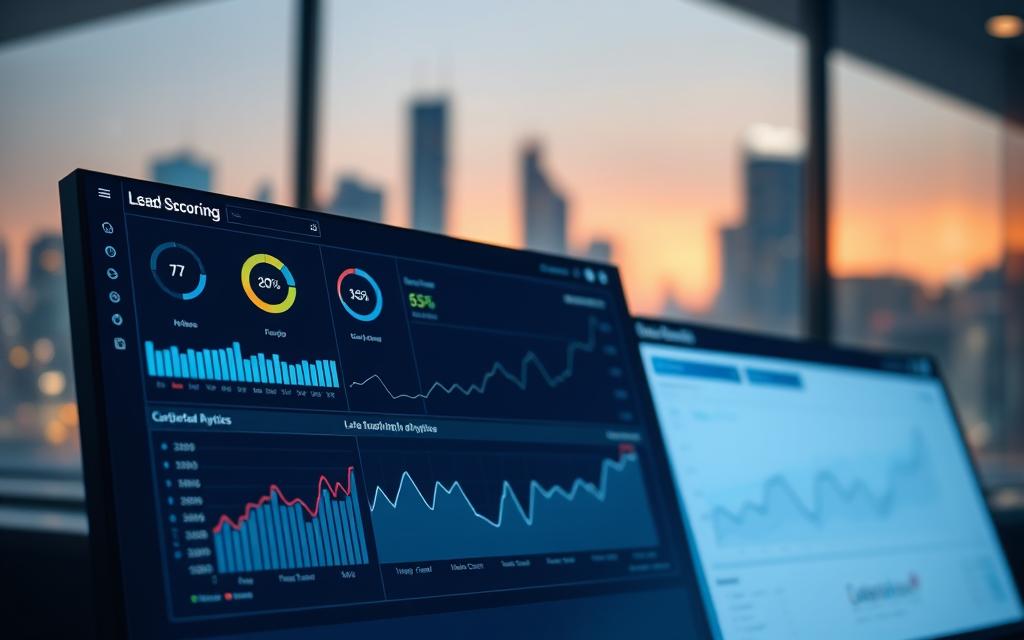
Automated lead scoring is a big plus. It gives numbers to prospects based on their actions and profile. Tools like iCapture and Accelevents use smart algorithms to rank leads by how ready they are to buy.
This scoring helps sales teams focus on the best leads first. It looks at things like how long they stay at sessions, what they download, and their answers in surveys. It also checks if they match the ideal customer profile.
- Session attendance duration and frequency
- Resource downloads and content engagement
- Survey responses and interaction levels
- Demographic match with ideal customer profile
Digital capture shows clear data quality boosts over manual methods. It cuts down on mistakes, makes sure all fields are filled, and keeps data formats the same.
Organisers can see how well their events are doing through custom dashboards. These dashboards show data quality and completeness in real-time. This info is key for showing event marketing ROI and lead quality to executives.
Here’s a look at how digital capture improves data quality:
| Metric | Manual Collection | Digital Lead Capture | Improvement Rate |
|---|---|---|---|
| Data Entry Errors | 18-22% | 2-4% | 85% reduction |
| Complete Records | 67% | 94% | 40% increase |
| Processing Time | 3-5 days | Real-time | Near instantaneous |
| Lead Scoring Implementation | Manual assessment | Automated system | 100% automation |
Analytics reporting goes beyond just event data. It helps track lead progress, attribute conversions, and the value of customers over time. This insight guides future event planning and budgeting.
With this level of detail, organisers can see which parts of events bring in the best leads. They can then tweak their strategies to get even better results.
In the end, accurate metrics and better data quality make a strong case for investing in technology. It turns raw data into useful insights that help improve event marketing.
Conclusion
Lead capture technology has changed how event organisers handle attendee data. It brings big improvements in data accuracy, makes things run smoother, and boosts attendee interest. It cuts down on mistakes and gives quick access to important info.
Looking to the future, we’ll see even better event tech. Artificial intelligence will make lead scoring and predictive analytics smarter. Augmented reality could make collecting data more fun and engaging. These updates will make running events even easier.
In summary, modern lead capture solutions are a key investment for event success. They give organisers clean, useful data that leads to real results. This tech keeps getting better, helping organisers connect with attendees in new ways and increase event value.
